The History of The Kestrel
The Makeover...
The 105-year-old Kestrel is the last working survivor of Auckland's historic ferry fleet. The Kestrel's multi-million-dollar makeover was reported by the New Zealand Herald 23rd February 2005.
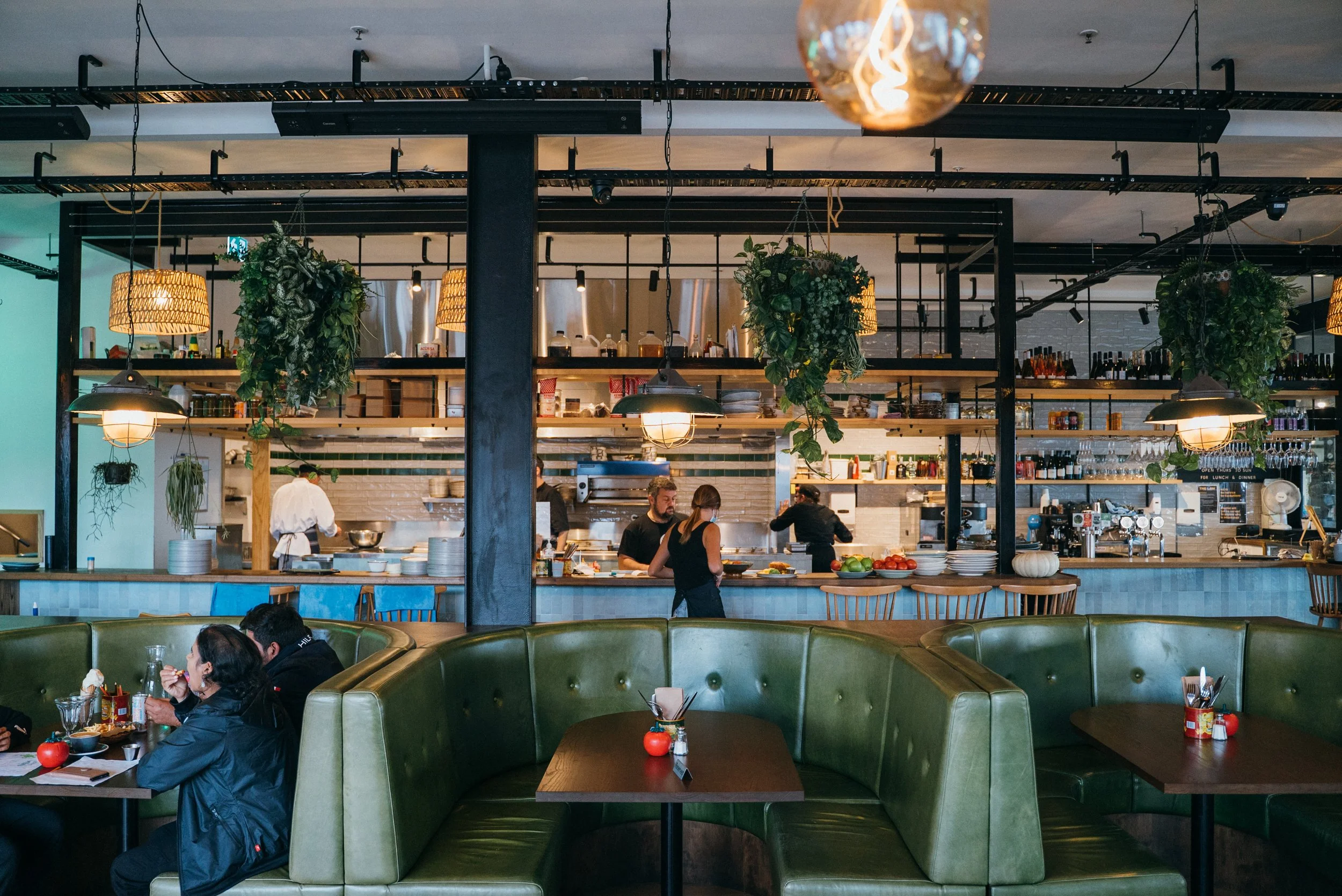
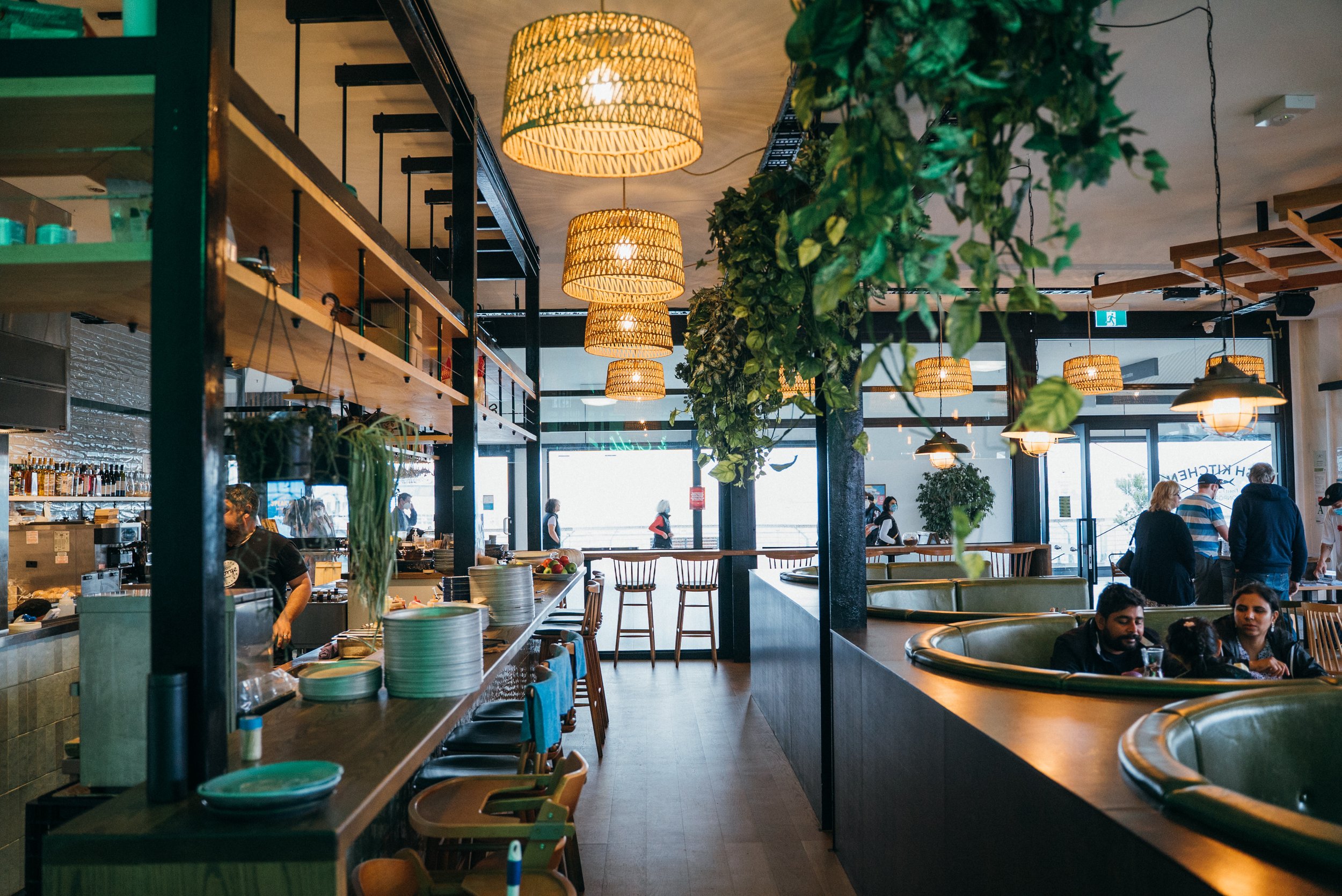
She begins her second century as a classy floating restaurant and bar at her new mooring off the Tauranga city waterfront.
What makes the 39m Kestrel different from other boats making culinary waves in New Zealand is the adjoining two-level glass construction built on a 24m-long steel pontoon.
Combining historic appeal with the strikingly modern, the new restaurant can now seat 400 diners.
The Vessel
The Kestrel is, believed to be one of the largest wooden vessels of this age left in New Zealand and is unique in that she has two bows and two stems.
A rudder and propeller at each end allows the vessel to pull into a berth forwards.
When ready to leave, the skipper would go to the wheelhouse at the other end - the stem then becomes the bow and 'Kestrel' can steam back out the way it came in.
The Kestrel is 39 meters long, 8.7 meters beam, 2.7 meters draft, weight unloaded 188 ton. The Hull is 75mm Kauri with 25mm Totara outer skin for protection against sea worm.
History
The Kestrel was built at 'Chas Bailey & Sons' yard in Auckland and launched in December 1905 and was the second of the Albatross class of double-ended passenger ferry steamers intended for the Devonport service.
However, in the first six months of her long life, she was often used for excursions and charters, to places such as Takapuna, Motuta pu or Kohimarama.
The Kestrel settled into her duties as one of the Devonport boats and, alternatively, as an excursion steamer.
The trip to Devonport crosses the busiest and at times the roughest part of the Waitamata. It was recorded in March 1908 that in strong northerly gale 'she was rolling her deck down the seas and taking great quantities of water'; and in a similar gale in 1909 that "she was taking the waves like a racehorse'.
The Kestrel's period as a Devonport boat ended in July 1921 when she was relieved by the new steamer Makora. She was sent to the upper harbour service as a consort to her elder sister the Albatross, beginning a partnership that was to last nearly 38 years until the Harbour Bridge was opened.
The Kestrel was laid up in June 1950 to be re-engined and remodelled on similar lines to the Albatross, returning to the Northcote service in January 1952 completely renovated with diesel engine, glassed upper deck and sporting the company's new livery of dark green hull and white upper works.
As the MV Kestrel she continued the upper harbour passenger service until the Harbour Bridge superseded the ferry system. But for the Kestrel, unlike the Albatross, this was not the end. In 1961 she resumed her duties as a Devonport ferry for a further 20 years.
She later spent the winter of 1982 laid up and under survey and restoration. The refit was very extensive; one of her lower cabins was converted into a fully carpeted restaurant, two bars were installed and a dance floor on the top deck.
The Kestrel's carrying capacity was cut drastically to 500, but her new owner enthused that she was now good for at least another 20 years. And a more leisurely Devonport timetable allowed the old ferry to be successfully marketed as 'the flagship of an historic harbour fleet'. |